


Table of Contents
Introduction
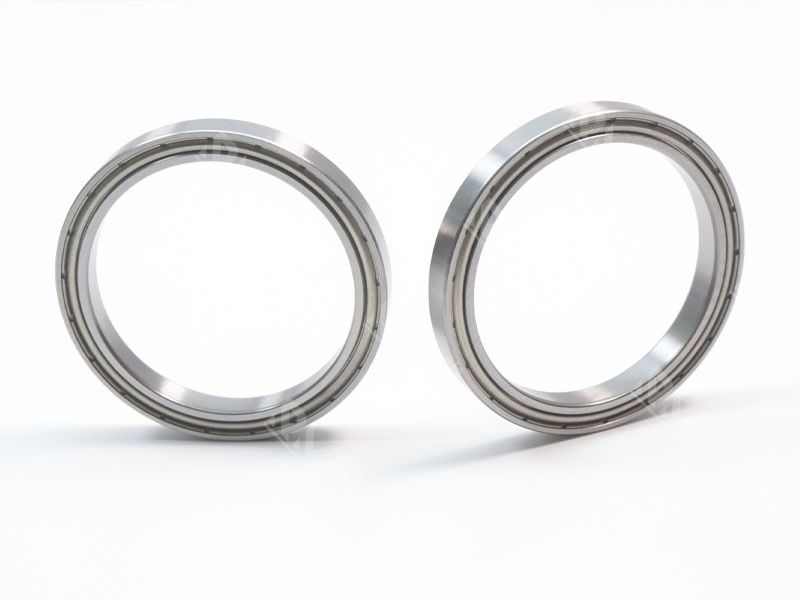
How to improve bearing lifespan in harsh environments is a crucial concern for many industries. Deep Groove Ball Bearings are widely used in various applications. They experience significant wear and tear due to environmental factors. These factors can include extreme temperatures, dirt, moisture, and heavy loads. Failing to address these issues can lead to premature bearing failure and costly downtime. How can industries extend the life of these vital components? Understanding proper maintenance and environmental management can help. Below, we will explore essential strategies to achieve this.
Summary Answer
To improve bearing lifespan in harsh environments, regular maintenance, appropriate lubrication, and selecting high-quality materials are key factors.
Main Factors Affecting Bearing Lifespan
- Regular Maintenance
- Proper Lubrication
- High-Quality Materials
- Environmental Protection
- Temperature Control
- Load Management
Inspect and Clean Bearings
Regular inspections help identify wear before it becomes a larger issue. Remove debris using protective covers. Dirt and dust can cause damage if not maintained properly.
Select Suitable Grease or Oil
Choosing the correct type of lubricant is essential. Use lubricants that can withstand high temperatures and resist water. This dramatically reduces the friction within deep groove ball bearings.
Use Corrosion-Resistant Alloys
Bearings constructed from high-quality alloys resist wear and corrosion. This is crucial in harsh environments where harsh chemicals may be present. Selecting a bearing supplier like Rimao ensures you receive durable products that enhance performance.
Implement Protective Measures
Consider using seals or shields to protect bearings from contaminants. This can significantly reduce the impact of environmental factors. Investing in effective seals prevents moisture and dirt from entering critical areas of the bearing.
Monitor Operating Conditions
Keep an eye on the operational temperature of the bearings. High heat can cause premature wear. Use cooling solutions if temperatures exceed recommended limits.
Avoid Overloading Bearings
Excessive loads can lead to bearing failure. Assess the load limits specified by the manufacturer. Workers should understand load capabilities to prevent overloading issues.
Conclusion
In conclusion, improving bearing lifespan in harsh environments involves a combination of strategies. Regular maintenance, proper lubrication, and using high-quality materials are paramount. Protection from environmental factors also plays a key role. By following these steps, industries can ensure that deep groove ball bearings operate efficiently and last longer, minimizing downtime and repair costs.
FAQ
1. What is a deep groove ball bearing?
A deep groove ball bearing is a type of rolling-element bearing that can support radial and axial loads.
2. How does lubrication affect bearing performance?
Proper lubrication reduces friction, minimizes wear, and helps maintain the correct operating temperature.
3. Can seals improve bearing lifespan?
Yes, seals protect bearings from contaminants and moisture, which can cause premature wear.
4. How often should bearings be maintained?
Regular maintenance should be performed at intervals based on the specific application\'s environment and usage patterns.
5. What are common causes of bearing failure?
Common causes include poor lubrication, contamination, excessive loads, and improper installation.
6. Are all bearings suitable for harsh environments?
Not all bearings are designed for harsh environments. Selecting high-quality, appropriate materials is essential for durability.


