


Table of Contents
Introduction
How temperature affects bearing performance is a crucial topic in machinery and engineering. Bearings are essential components in various machines. They support rotating parts and allow for smooth movement. When temperatures rise or fall too much, it can cause problems. It can lead to increased wear and tear, leading to failure. Understanding how heat impacts Deep Groove Ball Bearings is vital. This knowledge helps in choosing the right bearings and preventing costly breakdowns.
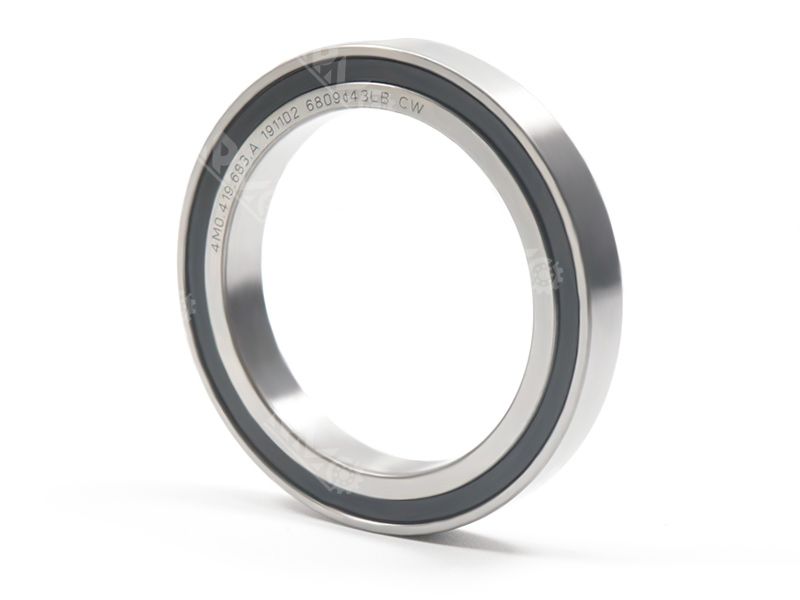
Temperature influences lubricant characteristics, heat generation, and material properties. Thus, it is essential to consider temperature effects when assessing bearing performance.
Summary Answer
Temperature significantly affects bearing performance by impacting lubrication, increasing friction, and altering material properties.
1. Temperature\'s Impact on Lubrication
1.1 Effects of Low Temperature
At low temperatures, lubricants can thicken. This thickening reduces their ability to flow freely. Bearings may experience increased friction and wear. It can lead to premature failure since parts do not receive adequate lubrication. Choosing appropriate low-temperature lubricants can help mitigate this effect.
1.2 Effects of High Temperature
Hydrocarbon-based lubricants are sensitive to high temperatures. They can break down, leading to a loss of lubricating properties. This breakdown increases the coefficient of friction, which raises operating temperatures further.
2. Heat and Friction: The Dynamic Duo
2.1 Friction Generation
Friction generates heat in bearings. The more friction, the more heat. High temperatures can lead to surface damage, affecting performance. Additionally, elevated temperatures can increase the bearing\'s operational speed limits.
2.2 Long-Term Effects of Friction
Over time, heat generated by friction can degrade bearing materials. This degradation compromises safety and efficiency, stressing the importance of maintaining proper operating temperatures.
3. Material Performance at Different Temperatures
3.1 Effects of Temperature on Steel Bearings
Steel bearings perform well at moderate temperatures. However, continued exposure to high heat can reduce their hardness. This reduction can lead to deformation and failure. Understanding these temperature limits is crucial for engineers.
3.2 Effects of Temperature on Ceramic Bearings
Ceramic bearings are more stable under a range of temperatures than steel bearings. They can withstand higher temperatures without compromising performance. This stability makes them a favorable choice for high-temperature applications.
Conclusion
In conclusion, understanding how temperature affects bearing performance is vital for maintaining machinery efficiency. Temperature impacts lubrication, increases friction, and alters material properties. For optimal performance in deep groove ball bearings, it is essential to monitor and manage operating temperatures.
FAQ
1. Why is temperature important for bearings?
Temperature can significantly affect lubrication and material integrity in bearings.
2. What happens to lubrication at low temperatures?
At low temperatures, lubricants thicken, reducing their efficiency and increasing wear.
3. How do you prevent damage from high temperatures in bearings?
Using high-temperature lubricants and choosing suitable bearing materials can help prevent damage.
4. Are ceramic bearings better for high temperatures?
Yes, ceramic bearings can withstand higher temperatures better than steel bearings.
5. How does friction impact bearing lifespan?
Increased friction generates heat, leading to wear and potentially reduced lifespan.
6. Can temperature monitoring prevent bearing failure?
Yes, monitoring temperature can alert users to problems before they lead to failure.


