Table of Contents
1. Introduction
Introduction
2. Summary Answer
Summary Answer
3. Key Factors of Lubrication
Key Factors of Lubrication
4. Conclusion
Conclusion
5. FAQ
FAQ
Introduction
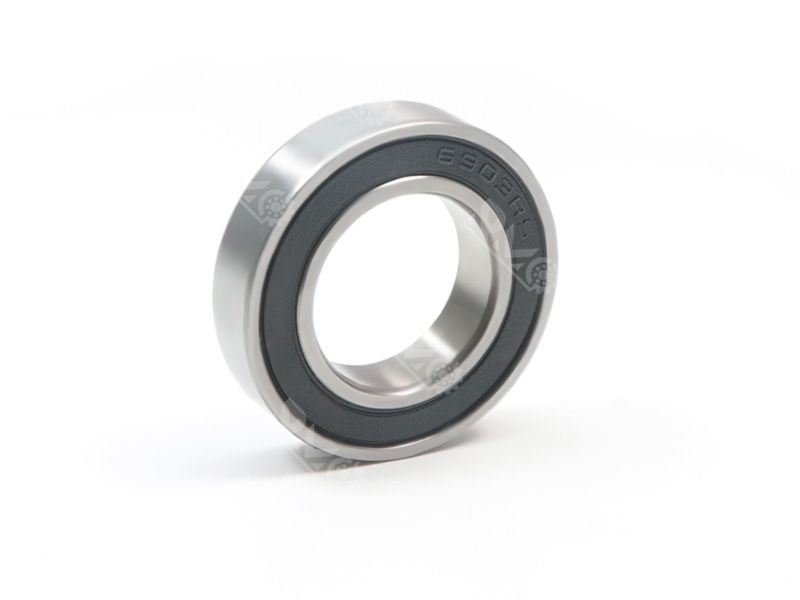
Deep Groove Ball Bearings are essential components in many machines. However, lubrication significantly affects their performance. The right lubricant helps reduce friction, temperature, and wear. Improper lubrication can lead to failure and increased maintenance costs. This article discusses how lubrication impacts deep groove ball bearing performance. We will explore types of lubricants, their properties, and what to consider for optimal bearing operation.
Summary Answer
**Lubrication plays a crucial role in the performance of deep groove ball bearings by minimizing friction, controlling temperature, and extending bearing life.**
1. Key Factors of Lubrication
1. **Type of Lubricant**
- The type of lubricant—oil or grease—affects performance.
- **Oil**: Often used in high-speed operations. It reduces friction well and helps cool the bearing.
- **Grease**: Suitable for slower speeds or sealed environments. It stays in place longer and is easier to manage.
2. **Viscosity Level**
- Viscosity measures a liquid\'s resistance to flow.
- **Low Viscosity**: Reduces friction but may not stay in place.
- **High Viscosity**: Clings better but can create more drag.
3. **Temperature Range**
- Different lubricants function best at specific temperatures.
- **Low-Temperature**: Some lubricants may thicken and not flow properly.
- **High-Temperature**: Others may break down and lose effectiveness.
4. **Bearing Speed**
- The speed at which the bearing operates can impact lubrication needs.
- Fast speeds can require more frequent lubrication changes.
5. **Environment**
- Dust, water, and other contaminants influence lubrication choice.
- Sealed bearings often need less maintenance compared to open types.
6. **Application Needs**
- Different applications may require specialized lubricants for best results.
- Examples include food processing or heavy machinery.
Summary Table of Lubrication Types
| Type |
Speed Suitability |
Properties |
| Oil |
High |
Reduces friction, cools |
| Grease |
Low |
Stays in place, easier management |
Conclusion
In conclusion, lubrication is vital for deep groove ball bearing performance. The correct choice of lubricant can minimize friction, regulate temperature, and prolong the life of the bearings. Understanding the properties of lubricants, their viscosity levels, and suitable applications will help ensure optimal performance.
FAQ
What lubricant is best for deep groove ball bearings?
The best lubricant depends on the specific application and operating conditions. Oils are great for high-speed applications, while greases are suitable for slower speeds.
How often should I lubricate deep groove ball bearings?
Lubrication frequency depends on the type of lubricant used and the operating environment. Regular maintenance checks are recommended.
Can I use motor oil for lubricating bearings?
Yes, motor oil can be used, but make sure it\'s suitable for the bearing\'s operating conditions.
What happens if bearings are not properly lubricated?
Inadequate lubrication can lead to increased friction, overheating, and ultimately bearing failure.
Are there any alternatives to traditional lubricants?
Yes, some applications may benefit from synthetic lubricants or specialized options designed for harsh environments.