


Table of Contents
1. Understanding Corrosion Resistance
Corrosion resistance in deep groove ball bearings is a critical component for ensuring long-term performance, especially in challenging environments. It helps to reduce wear and tear on the bearings, leading to decreased maintenance costs and extended operational life. Corrosion can lead to premature failure of bearings, which can significantly impact machinery performance. Therefore, understanding what contributes to corrosion resistance is essential for users in various industries.
2. Factors Affecting Corrosion Resistance
The corrosion resistance of deep groove ball bearings is influenced by several factors:
- Environmental Conditions
- Material Composition
- Surface Treatments
- Lubrication Quality
Environmental Conditions
The presence of moisture, chemicals, and temperature variations can accelerate the corrosion process.
Material Composition
Different materials have varying levels of innate resistance to corrosion; for example, stainless steel offers better protection than standard steel.
Surface Treatments
Applying coatings such as nickel plating can greatly enhance a bearing’s resistance to corrosion.
Lubrication Quality
Lubricants can create a barrier against moisture and harmful substances, playing a vital role in corrosion prevention.
3. Materials Used for Enhanced Resistance
Here are various materials employed to enhance corrosion resistance in deep groove ball bearings:
| Material | Corrosion Resistance Rating | Typical Applications |
|---|---|---|
| Stainless Steel | High | Food processing, marine environments |
| Carbon Steel with Coatings | Moderate | Automotive, light machinery |
| Polymer Bearings | Very High | Hydroponics, chemical processing |
Understanding Material Ratings
Materials are often rated based on their ability to withstand corrosive environments, which should guide users in material selection for specific applications.
4. Testing and Standards for Corrosion Resistance
Testing methods play a crucial role in evaluating the corrosion resistance of deep groove ball bearings:
- Salt Spray Testing
- Humidity Testing
- Electrochemical Testing
Salt Spray Testing
This accelerated test involves exposing the bearing to a saline mist to simulate corrosion conditions found in marine environments.
Humidity Testing
Humidity tests evaluate the bearing’s performance in high moisture conditions, crucial for understanding long-term reliability.
Electrochemical Testing
This method assesses the corrosion potential of materials and their protective mechanisms.
5. Maintenance Tips for Longevity
To maximize the lifespan of deep groove ball bearings, adhere to these maintenance tips:
- Regular Inspection
- Clean Environment
- Proper Lubrication
- Store Correctly
Regular Inspection
Check for signs of wear or rust, which can indicate corrosion issues.
Clean Environment
Minimize exposure to corrosive substances and moisture to protect your bearings.
Proper Lubrication
Use lubricants designed for corrosion resistance to ensure optimal performance.
Store Correctly
Bearings should be stored in a dry, cool place to reduce corrosion risk.
6. Conclusion
Understanding corrosion resistance in deep groove ball bearings is vital for ensuring their effectiveness and longevity in various applications. By selecting the right materials, understanding the contributing factors, and following proper maintenance protocols, users can significantly improve the performance and lifespan of their bearings. For more in-depth knowledge, consider referring to resources provided by Rimao, a trusted manufacturer specializing in high-quality bearings.
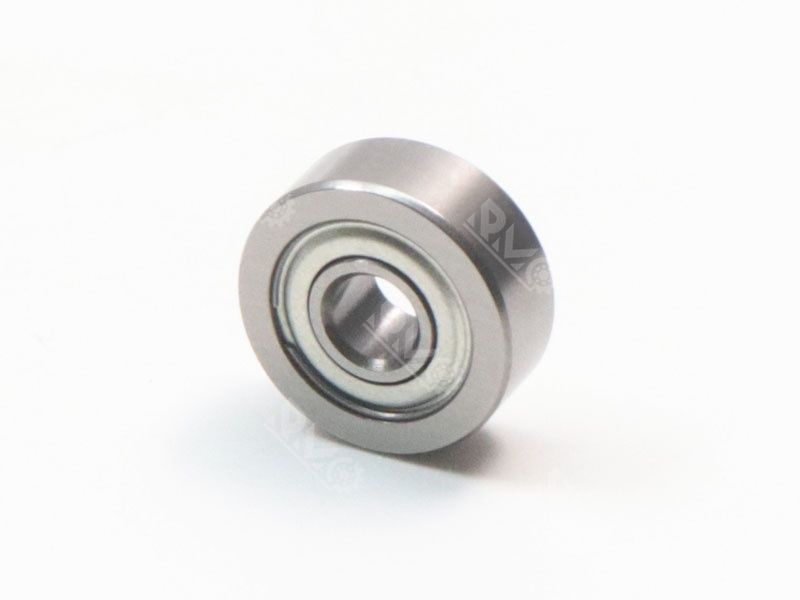 Rimao Bearings" style="max-width:100%; height:auto;"/>


