


Introduction
Deep Groove Ball Bearings often produce noise during operation. This noise can lead to discomfort in environments where quiet operations are crucial. Therefore, understanding bearing noise reduction techniques is vital. Excessive noise can stem from several factors, including inadequate lubrication and misalignment. Implementing effective noise reduction strategies can enhance performance and extend bearing life. This article will explore various techniques and methods to reduce noise in deep groove ball bearings.
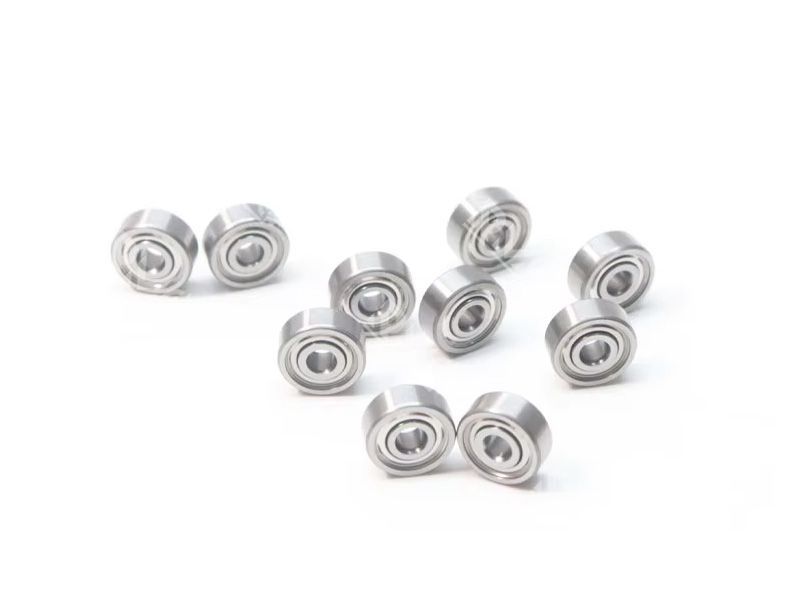
Summary Answer
To effectively reduce noise in deep groove ball bearings, maintain proper lubrication, ensure correct alignment, and utilize vibration-damping materials.
1. Techniques for Reducing Bearing Noise
Regular Lubrication
Keep your bearings well-lubricated to minimize friction. Too little or too much lubrication can lead to increased noise.
Correct Alignment
Ensure bearings are properly aligned. Misalignment can create uneven wear and excessive vibrations, leading to noise.
Vibration-Damping Materials
Use materials that absorb vibrations around bearings. This can significantly reduce unwanted noise levels.
Regular Maintenance
Schedule regular inspections and maintenance. Early detection of wear can prevent noise issues.
Install Silent Bearings
Consider switching to silent or low-noise bearings designed specifically for quiet operation.
2. Comparison Table of Bearing Noise Levels
| Bearing Type | Noise Level (dB) | Typical Application |
|---|---|---|
| Standard Deep Groove Ball Bearing | 70-75 | General Equipment |
| Low-Noise Deep Groove Ball Bearing | 60-65 | HVAC Systems |
| Silent Deep Groove Ball Bearing | 50-55 | Precision Instruments |
3. Step-by-Step Process for Noise Reduction
Follow these steps for reducing noise effectively:
- Identify the source of noise in the bearing.
- Inspect the alignment of the bearing.
- Check the lubrication levels and quality.
- Evaluate the installation of vibration-damping materials.
- Conduct a test run after implementing changes.
Conclusion
Reducing noise in deep groove ball bearings is essential for enhancing performance and longevity. Techniques like proper lubrication, correct alignment, and using vibration-damping materials can significantly minimize noise. Regular maintenance and consideration of low-noise options also contribute to quieter operations. By investing time in these bearing noise reduction techniques, you ensure a more efficient and enjoyable working environment.
FAQ
What are the main causes of noise in deep groove ball bearings?
The main causes include improper lubrication, misalignment, and wear.
How often should I lubricate my bearings?
Lubrication should be performed according to manufacturer recommendations; typically every few months or based on usage.
Can I use regular lubricants for noise reduction?
Special lubricants designed for low noise operations are recommended for better performance.
What are silent bearings?
Silent bearings are specially designed to minimize noise during operation, making them ideal for sensitive applications.
How can vibration-damping materials help?
These materials absorb vibrations and reduce the transmission of noise, improving overall bearing performance.


